Wildlife
Tiger safari
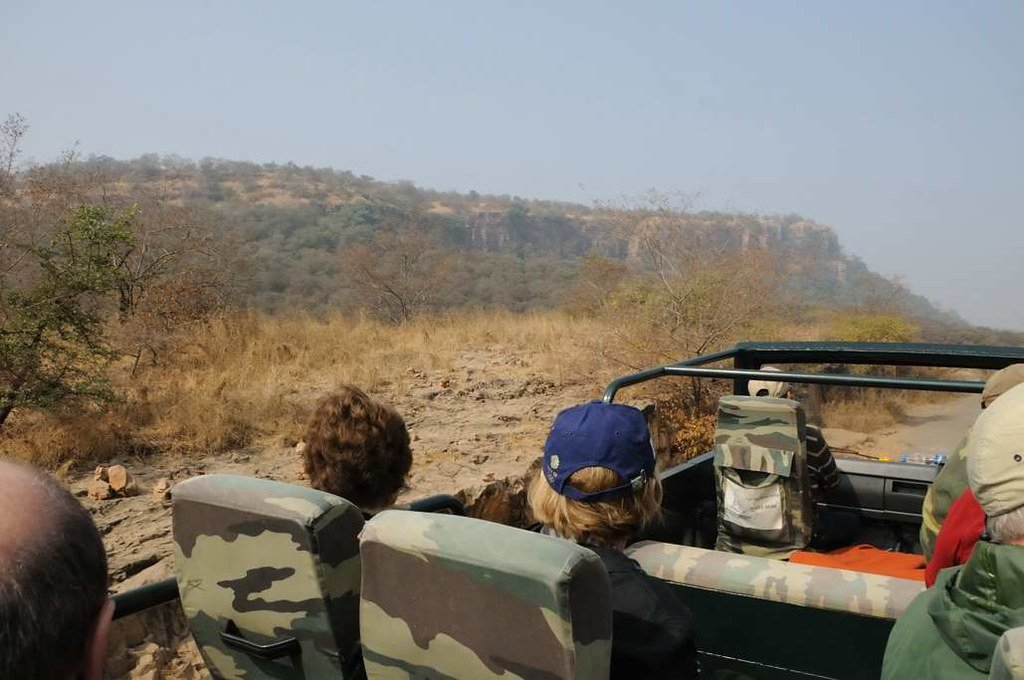
Morning and afternoon jeep drives through the park's zones, with a trained naturalist. Sightings are never guaranteed, but three or four safaris give you a very good chance of seeing a tiger.
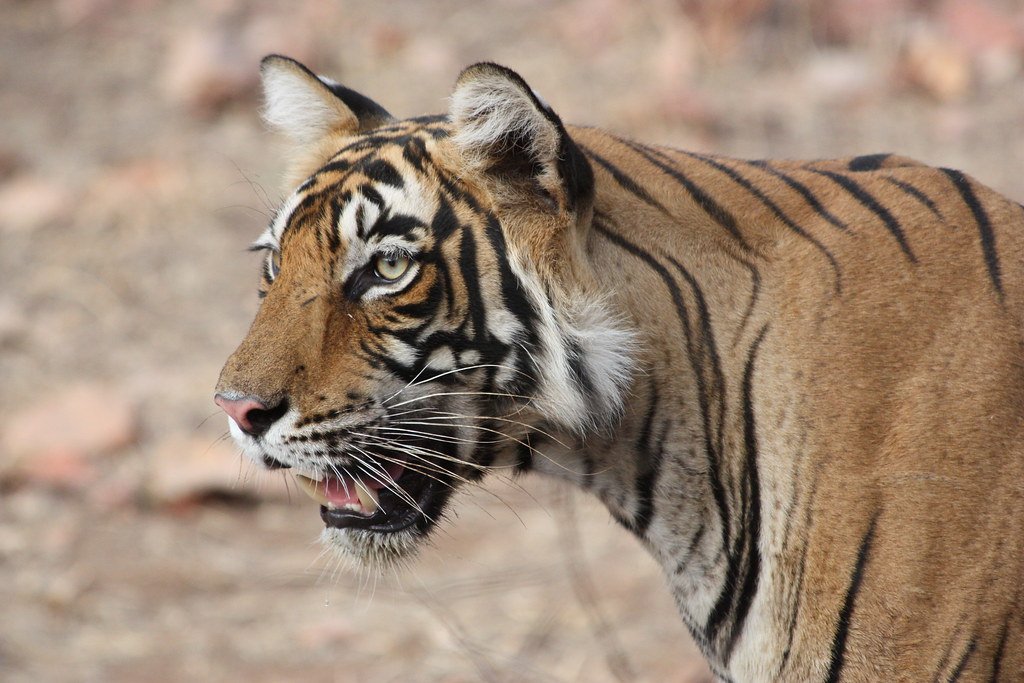
One of the best places on earth to see a wild tiger. Jeep safaris through dry forest, past lakes and the ruins of a thousand-year-old fort, three hours from Jaipur.
Ranthambore National Park is a tiger reserve in eastern Rajasthan, near the town of Sawai Madhopur. It is about 180 km (3–3.5 hours) from Jaipur, and it sits between Agra and Jaipur on the Golden Triangle route. The park is one of the best places in the world to see wild Bengal tigers, and it is crowned by Ranthambore Fort, a UNESCO World Heritage Site. The core zones are open from October to June. Most travellers stay two nights and take three or four jeep safaris.
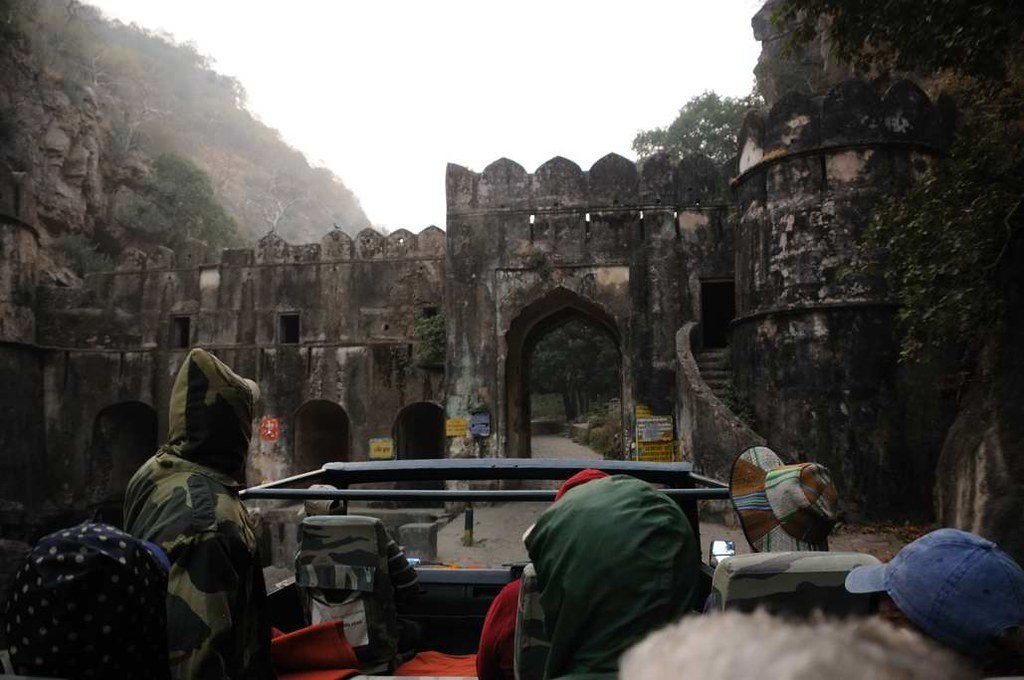
Ranthambore was once the hunting ground of the Maharajas of Jaipur, and that history is still visible. Ruined pavilions stand beside the lakes, stone gateways lead into the forest, and a tenth-century fortress watches over it all from its hilltop. Few parks in the world show you a tiger against a backdrop like this.
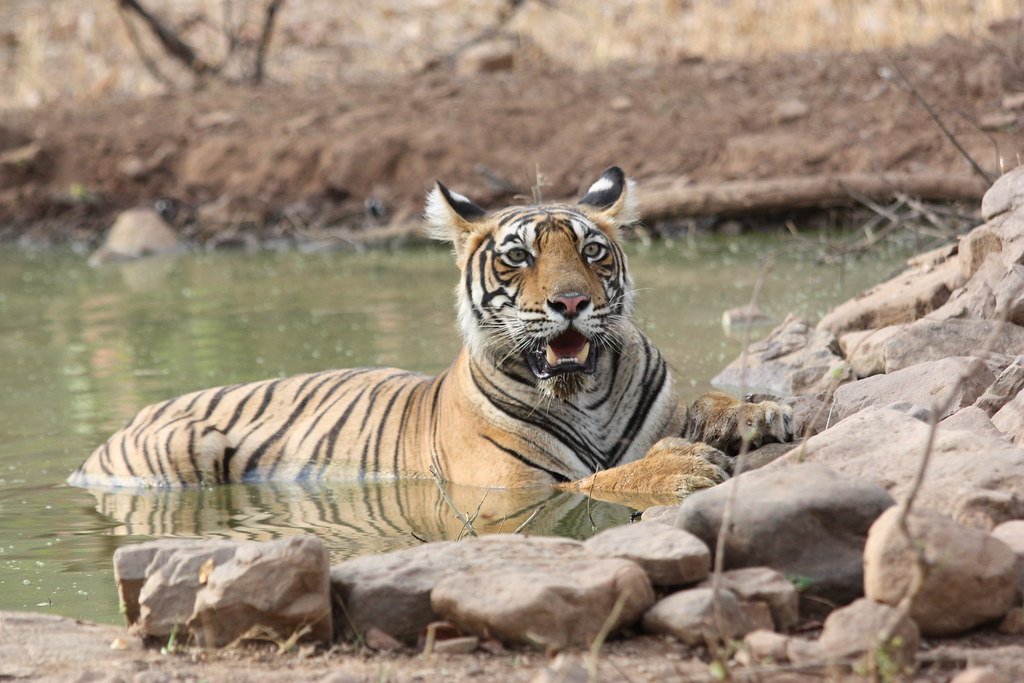
The tigers here are famously visible, often seen in daylight, resting by the water or walking the forest tracks. Safaris run twice a day, morning and afternoon, each for about three hours, in open six-seat jeeps (gypsies) or larger canters. The park is divided into zones, and permits are released in advance. We book yours early and plan the number of drives to give you the best chance of a sighting.
There is much more than tigers. Ranthambore has leopards, sloth bears, marsh crocodiles, sambar and spotted deer, and hundreds of bird species. Between drives you can climb up to the fort, visit a women's craft cooperative, or simply rest at a lodge on the edge of the forest before the next safari.
Morning and afternoon jeep drives through the park's zones, with a trained naturalist. Sightings are never guaranteed, but three or four safaris give you a very good chance of seeing a tiger.
A tenth-century hill fort inside the park, listed with the Hill Forts of Rajasthan. It has palaces, step-wells and the Trinetra Ganesh temple, and wide views over the forest and lakes.
The park's lakes are its heart. Tigers come here to drink and hunt, deer graze at the edges, and crocodiles bask on the banks beneath the old ruins. Many of Ranthambore's most famous photographs were taken here.
Hundreds of species, from painted storks and crested serpent eagles to the rufous treepie that follows the jeeps. Winter brings migratory birds to the lakes, including nearby Surwal.
A long-running craft cooperative that supports village women around the park. Block-printing, patchwork and embroidery made by hand, and a good way to meet the communities who live beside the tigers.
Mornings in the farming villages around Sawai Madhopur, with mustard fields, stepwells and daily life far from the tour buses. Your guide explains how people and tigers share this landscape.
Permits are limited and are allocated by zone. The best zones sell out months ahead in peak season. Give us your dates early and we'll secure your drives.
October to March is cool and pleasant. April to June is hot, but tigers gather at the water, so sightings peak. The core zones close from July to September for the monsoon.
Neutral, muted colours. Winter mornings in an open jeep are cold, so bring layers, a hat and gloves. Take a scarf for dust, and binoculars if you have them.
A private six-seat jeep (gypsy) is quieter and more flexible than the 20-seat canter, and it is what we book for our guests whenever permits allow.
Every journey is private and chauffeured, with licensed local guides and hand-picked hotels. Prices are bespoke — tell us your dates and we'll shape a plan and a clear quote.
Wildlife8 DaysThe Golden Triangle with a wilder heart — Delhi, the Taj and the palaces of Jaipur, with morning safaris for the tiger at Ranthambore.
Wildlife10 DaysTigers and palaces — the Golden Triangle with safaris at Ranthambore and the lake city of Udaipur to close.
Cultural11 DaysThe sacred and the wild — Varanasi at dawn, the Taj Mahal, tiger safaris at Ranthambore, and Jaipur.
There is a very good chance, but no sighting is guaranteed with wild animals. Ranthambore is one of the best parks in India for seeing tigers in daylight. Taking three or four safaris across two nights greatly improves your odds.
The core safari zones are open from 1 October to 30 June and close for the monsoon from July to September. Some buffer zones stay open longer. Safaris run twice daily, in the morning and afternoon, with timings that change with the season.
Ranthambore is about 180 km from Jaipur, a 3–3.5 hour drive, and roughly 5–6 hours from Agra. It fits naturally between Agra and Jaipur on a Golden Triangle tour, adding two nights to the route.
We recommend three or four, usually over two nights. Each safari lasts about three hours and visits one zone. More drives mean more zones and more chances to see a tiger, as well as leopards, sloth bears and the park's birdlife.
Tell us your dates and we'll secure your safari permits, choose a lodge on the forest's edge, and fit Ranthambore between Agra and Jaipur so the drive feels like part of the journey.