UNESCO World Heritage
Red Fort
Shah Jahan's walled citadel of red sandstone, the seat of Mughal power for two centuries. The Lahori Gate, the marble Diwan-i-Khas and the palace pavilions repay a slow morning before the day heats up.
India's capital and the doorway to the Golden Triangle — a thousand years of Mughal forts, colonial avenues and old-city bazaars, seen unhurried with your own car and guide.
Delhi is the capital of India and the usual starting point of the Golden Triangle — the classic Delhi–Agra–Jaipur tour route. The city holds three UNESCO World Heritage Sites: the Red Fort, Humayun's Tomb and the Qutub Minar. It is India's largest international gateway, about 230 km (a 3–3.5 hour drive on the Yamuna Expressway) north of the Taj Mahal in Agra. Most travellers spend one to two days here, privately guided, before driving on.
Seven cities have risen and fallen where Delhi stands today, and each left its mark. The result is a capital that reads like a chronicle: Mughal ramparts beside Lutyens' colonial avenues, Sufi shrines beside glass towers, and, threaded between them, the crowded, aromatic lanes of Old Delhi.
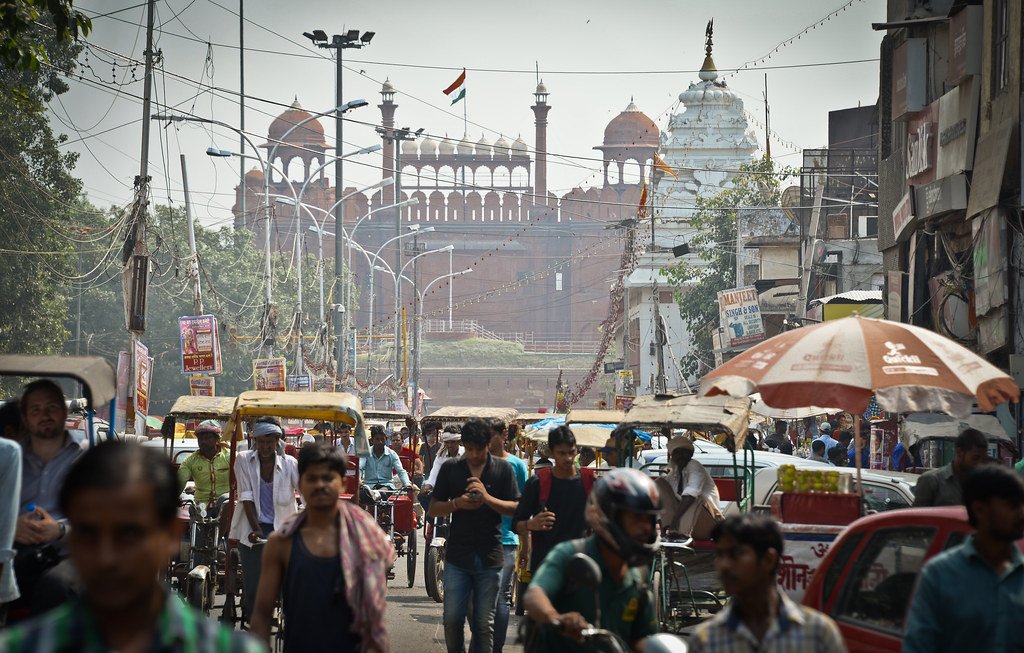
We split the city the way it deserves to be seen. Old Delhi is the Mughal heart — the red sandstone Red Fort, the vast Jama Masjid, and the bazaar of Chandni Chowk, best explored slowly by cycle-rickshaw. New Delhi is broader and greener: the garden-tomb of Humayun that inspired the Taj, the towering Qutub Minar, and the ceremonial avenue from India Gate to the government quarter.
On a private, chauffeured journey none of this is rushed. Your licensed guide reads the crowds and the light, your car waits while you linger, and your first day in India is planned to feel calm rather than overwhelming — the right introduction to the road ahead.
Shah Jahan's walled citadel of red sandstone, the seat of Mughal power for two centuries. The Lahori Gate, the marble Diwan-i-Khas and the palace pavilions repay a slow morning before the day heats up.
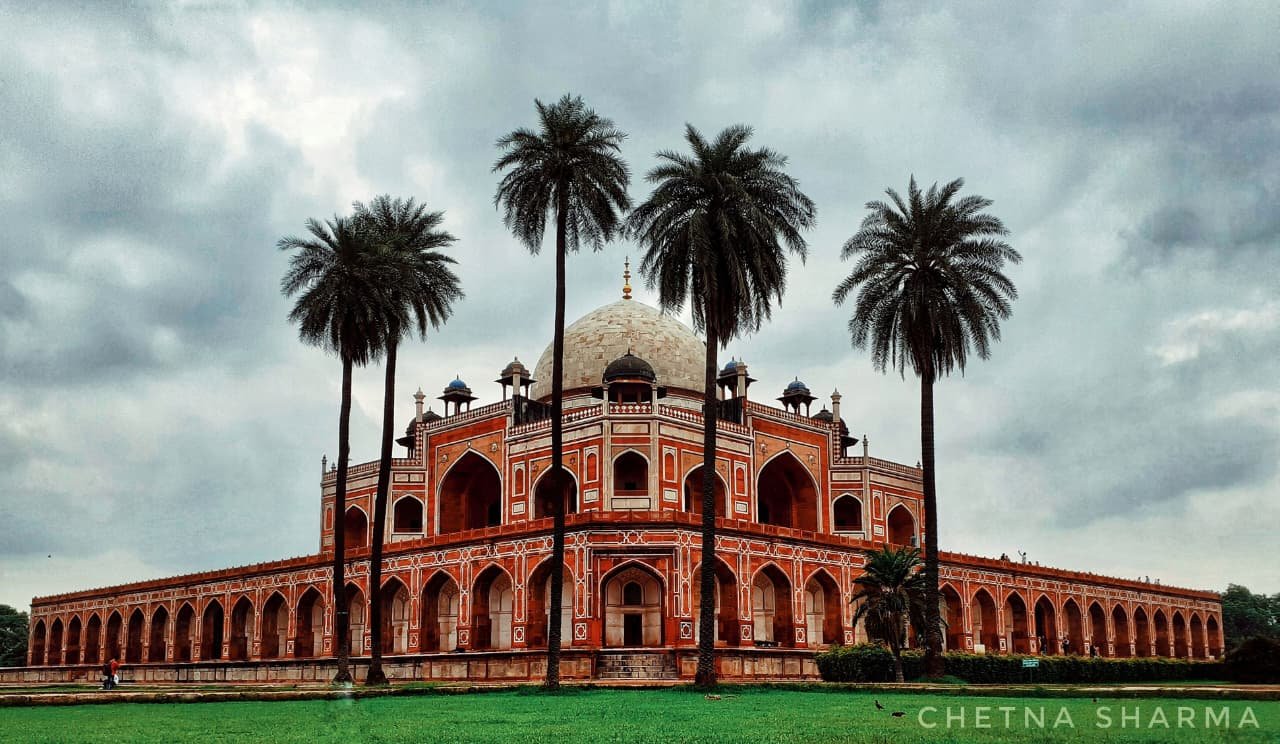
The garden tomb that rehearsed the Taj Mahal — the first great Mughal mausoleum in India, set in formal char-bagh gardens. Softest in the low light of early morning or late afternoon.
A 73-metre victory tower of fluted sandstone begun in 1193, ringed by India's earliest mosque and the famous rust-defying Iron Pillar. The finest surviving work of early Indo-Islamic architecture.
The seventeenth-century grand bazaar and India's largest mosque, side by side. Silver lanes, spice markets and street food, threaded on foot and by rickshaw — the sensory centre of the old city.
The war memorial arch and the ceremonial vista to the President's House — the ordered, tree-lined capital the British laid out in the 1910s. Best driven at dusk when the sandstone glows.
A vast, intricately carved contemporary temple complex on the Yamuna's east bank. Serene, spotless and genuinely astonishing in scale — a calm counterpoint to the old city (closed Mondays; no phones inside).
October to March brings cool, clear days made for sightseeing. April–June is hot; the monsoon runs July–September. We plan each day's order around the season and the light.
A single day covers either Old or New Delhi; two days lets you take in both without rushing. Delhi usually opens and closes the Triangle, so many travellers split it across arrival and departure.
Cover shoulders and knees for mosques and temples; heads are covered at the Jama Masjid (scarves provided). Comfortable shoes for the old-city lanes.
Your private car and chauffeur carry you door to door; inside Chandni Chowk a cycle-rickshaw is faster and far more atmospheric than any car.
Every journey is private and chauffeured, with licensed local guides and hand-picked hotels. Prices are bespoke — tell us your dates and we'll shape a plan and a clear quote.
 Classic3 Days
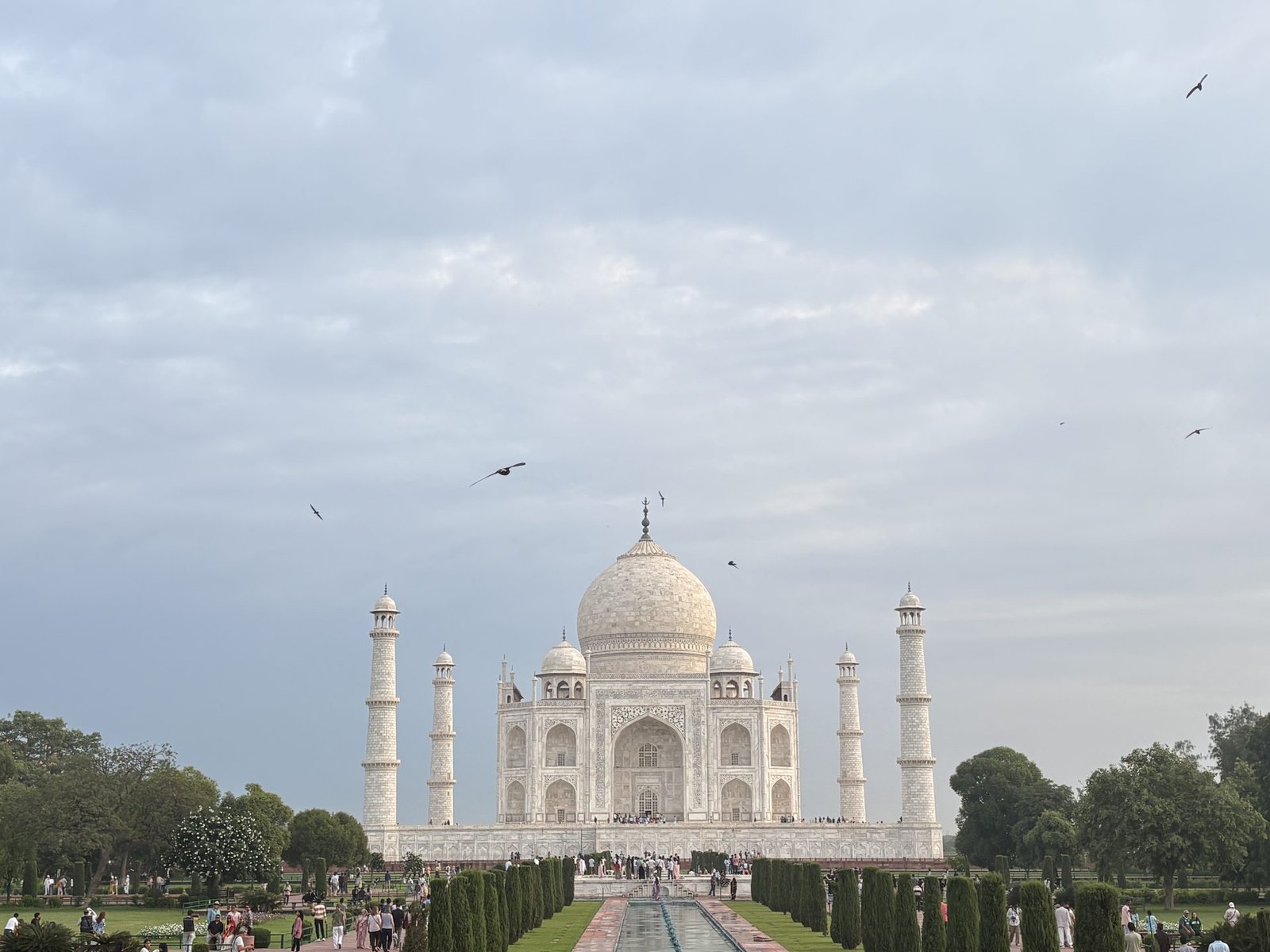
The shortest way to see the Golden Triangle — Delhi, Agra and Jaipur in three private, well-paced days, with the Taj Mahal at its heart.
 Classic4 Days
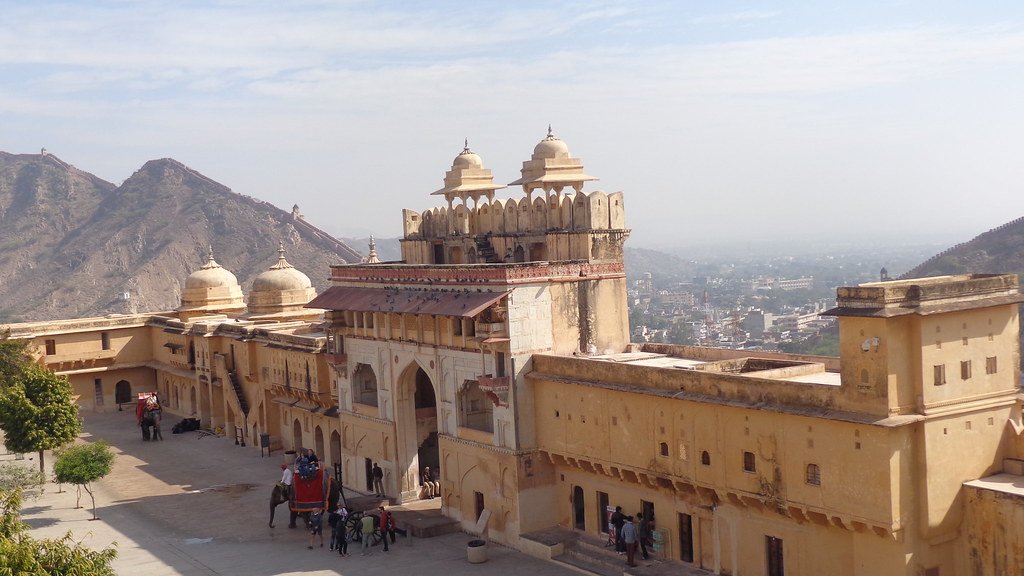
The classic Golden Triangle in four unhurried days — Delhi, the Taj Mahal at Agra, and the palaces of Jaipur, entirely private.
Most Popular5 DaysFive days across Delhi, Agra and Jaipur — the Golden Triangle at a comfortable pace, with a full day in each city and the Taj at dawn.
Yes. Delhi is the historical and cultural anchor of the Golden Triangle, with three UNESCO World Heritage Sites — the Red Fort, Humayun's Tomb and the Qutub Minar. It sets the context for Agra and Jaipur, and it is the most convenient arrival and departure point, with the region's largest international airport.
October to March is the ideal window, with cool, clear days that suit sightseeing. April to June is hot, and the monsoon runs July to September. We run private Delhi tours year-round and plan the day's timing around the season and the light.
One to two days is enough to see Delhi's highlights at an unhurried pace. A single day covers either Old or New Delhi; two days lets you take in both, plus Humayun's Tomb and the Qutub Minar. Many travellers split Delhi across their arrival and departure days.
The Taj Mahal is in Agra, about 230 km south of Delhi — a three-to-three-and-a-half-hour drive on the Yamuna Expressway. On our private tours your chauffeur drives you door to door, timed so you reach the Taj for sunrise the next morning.
Tell us your dates and interests, and we'll shape an unhurried Delhi itinerary — private car, licensed guide and the timings that keep the city calm — as part of your Golden Triangle journey.