UNESCO World Heritage
Taj Mahal
Shah Jahan's marble mausoleum for Mumtaz Mahal, completed in 1653 — 28 kinds of inlaid stone, an optically corrected façade and minarets that lean subtly outward. Best at sunrise; closed Fridays.
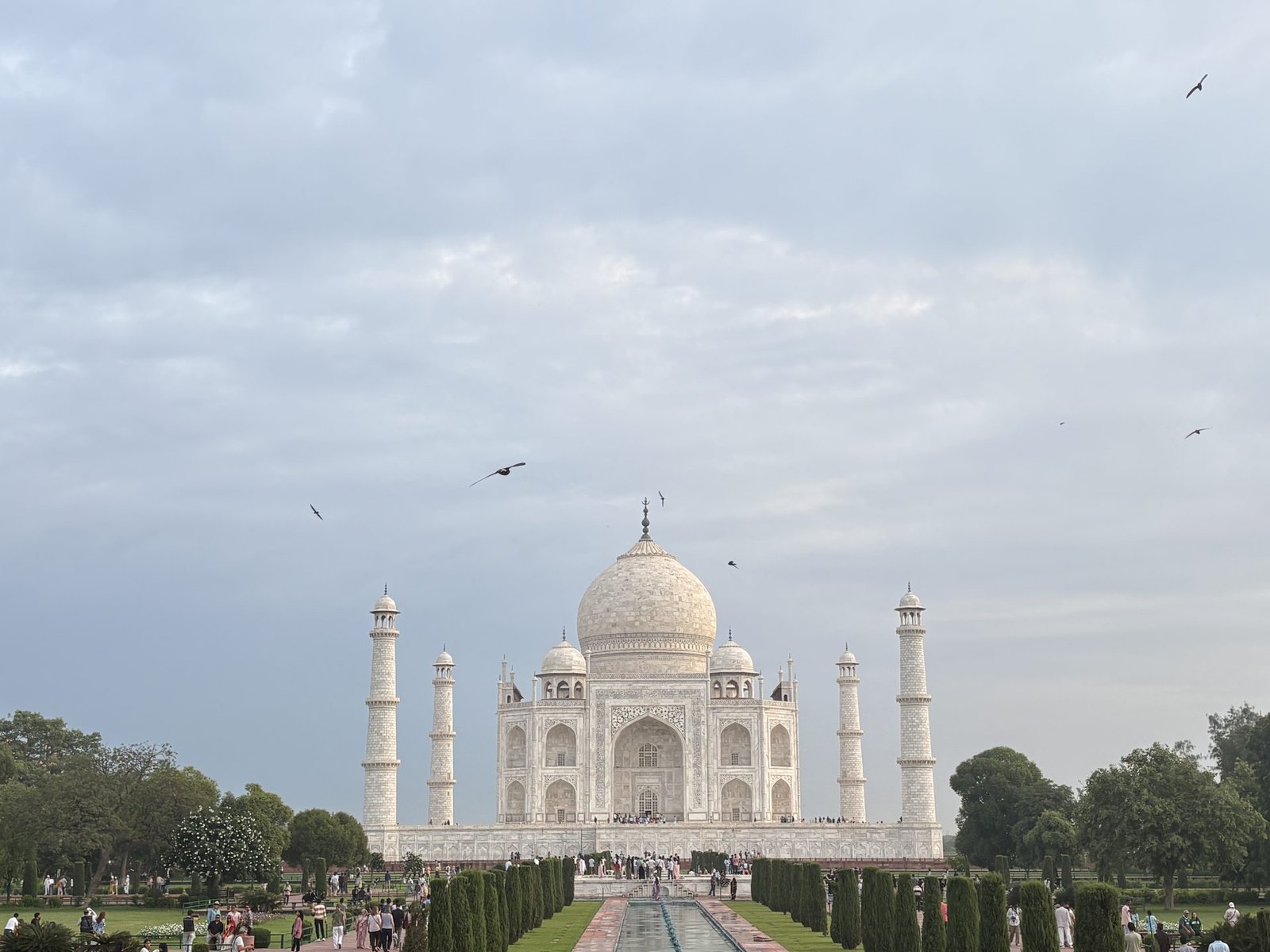
Home of the Taj Mahal — the world's greatest monument to love, seen at first light before the crowds, with a guide who knows exactly where to stand as the marble changes colour.
Agra is a city on the Yamuna in Uttar Pradesh, about 230 km south of Delhi, and the second point of the Golden Triangle. It holds three UNESCO World Heritage Sites — the Taj Mahal (built 1631–1653), Agra Fort and, 40 km west, Fatehpur Sikri. The Taj Mahal alone draws more than six million visitors a year. Private day tours from Delhi take 3–3.5 hours each way by road; most travellers stay one night to catch the Taj at sunrise.
Agra was the magnificent capital of the Mughal Empire, and its legacy is written across the city in white marble and red sandstone. The Taj Mahal needs no introduction — Emperor Shah Jahan raised it between 1631 and 1653 as a mausoleum for his wife Mumtaz Mahal, and no photograph prepares you for its scale or the precision of its inlay.
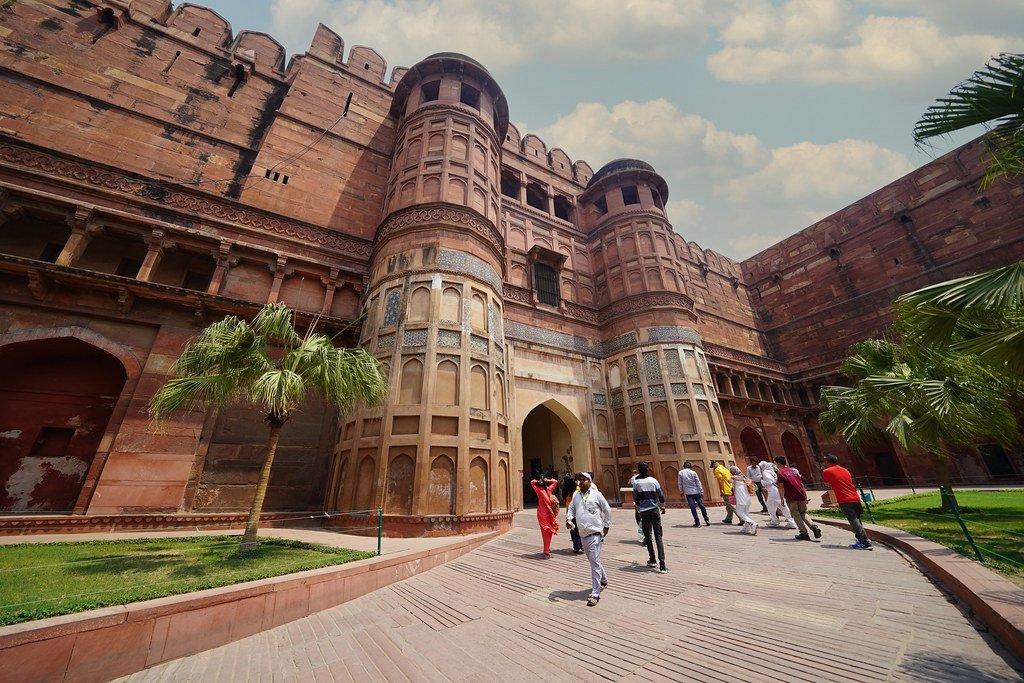
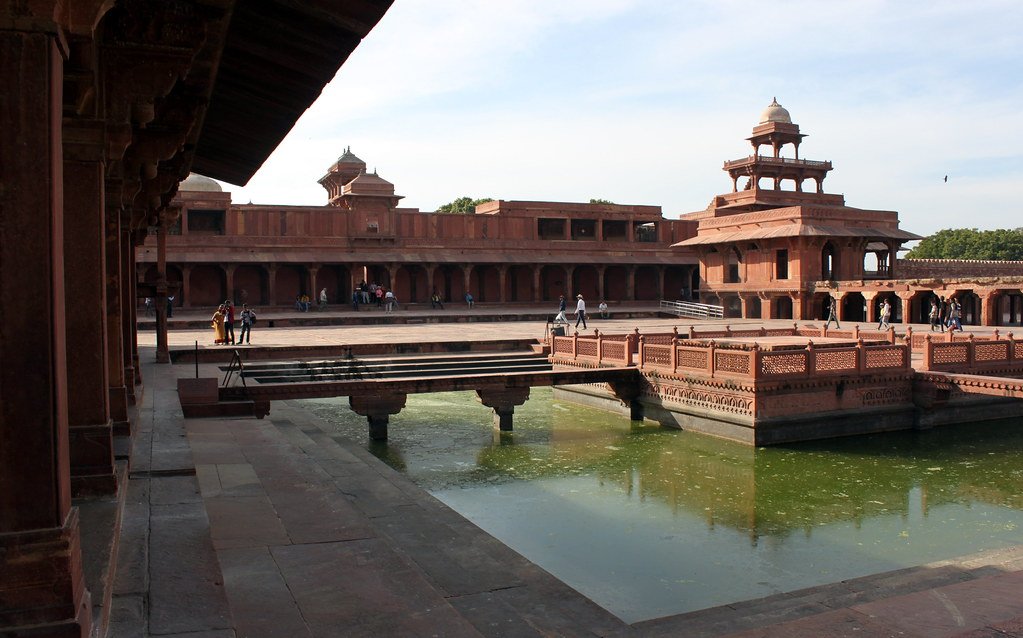
But Agra is far more than the Taj. Agra Fort served as the main residence of three emperors, and it was here that Shah Jahan spent his final years imprisoned by his own son, gazing across the river at the tomb he had built. West of the city, Fatehpur Sikri — an entire imperial capital abandoned barely fourteen years after it was built — stands almost perfectly preserved.
The difference on a private journey is the hour. We have you at the gate for sunrise, when the marble shifts from grey to rose to white and the walkways are still quiet, with a licensed guide to walk you through the story and the vantage points. By mid-morning, when the coach groups arrive, you are already moving on.
Shah Jahan's marble mausoleum for Mumtaz Mahal, completed in 1653 — 28 kinds of inlaid stone, an optically corrected façade and minarets that lean subtly outward. Best at sunrise; closed Fridays.
A red-sandstone walled city on the Yamuna, the seat of Mughal power before Delhi. From the Musamman Burj tower Shah Jahan spent his last years with a clear view of the Taj across the river.
Emperor Akbar's ghost capital, 40 km west on the road to Jaipur — built from scratch in 1571 and abandoned within fifteen years. Its Buland Darwaza gateway, 54 m high, is among the largest in the world.
The exquisite riverside tomb often called a first draft of the Taj — the earliest Mughal building faced entirely in white marble, and the first to use pietra dura inlay. Delicate, intimate and rarely crowded.
The Moonlight Garden directly across the Yamuna, aligned with the Taj. The finest sunset view in Agra, and a fraction of the crowds — Shah Jahan is said to have planned a black-marble twin here.
Be at the Taj by gate opening (around 6am) — the light is extraordinary and the main walkway is quiet. By nine o'clock it is very crowded. Your chauffeur has you there first.
October to March for cool, clear days. Summer (April–June) regularly tops 45°C; the monsoon brings humidity but green gardens. The Taj is closed every Friday.
Cover shoulders and knees for Agra Fort and Fatehpur Sikri. At the Taj, free shoe covers are provided — you remove your shoes before stepping onto the plinth.
Agra's soft pumpkin sweet, petha, is the local specialty — the trusted name is Panchhi Petha. Evenings are for rich Mughlai cooking; your guide can point you to the right table.
Every journey is private and chauffeured, with licensed local guides and hand-picked hotels. Prices are bespoke — tell us your dates and we'll shape a plan and a clear quote.
Classic3 DaysThe shortest way to see the Golden Triangle — Delhi, Agra and Jaipur in three private, well-paced days, with the Taj Mahal at its heart.
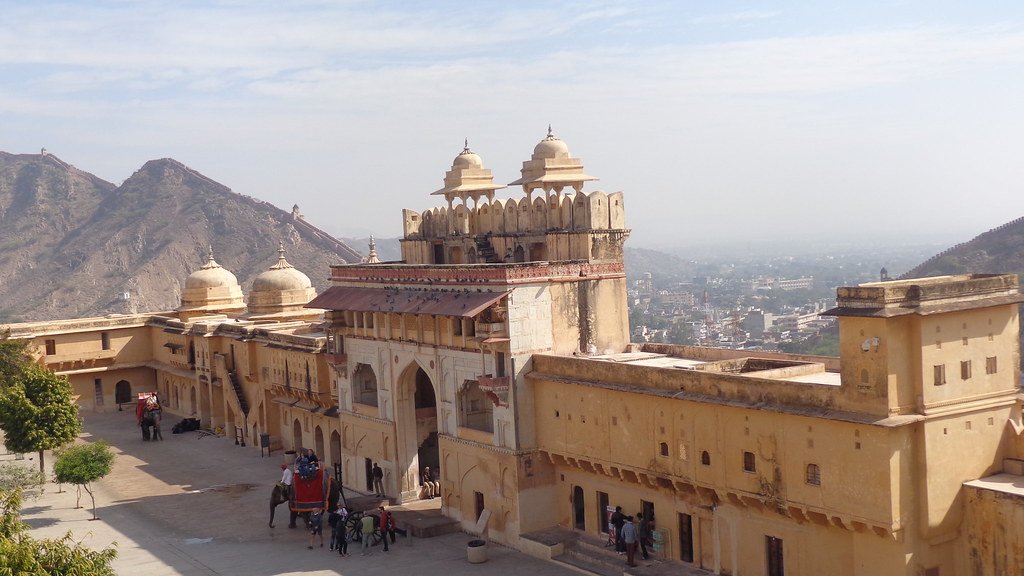 Classic4 Days
The classic Golden Triangle in four unhurried days — Delhi, the Taj Mahal at Agra, and the palaces of Jaipur, entirely private.
Most Popular5 DaysFive days across Delhi, Agra and Jaipur — the Golden Triangle at a comfortable pace, with a full day in each city and the Taj at dawn.
Yes, and it is the best time to go. The Taj Mahal opens shortly before sunrise, when the light is soft and the crowds are thinnest. On our private tours your chauffeur has you at the gate as it opens, with a licensed guide to walk you through the story and the best vantage points.
One full day — a sunrise Taj visit and Agra Fort — covers the essentials. Adding Fatehpur Sikri or the Baby Taj is worthwhile if you have the morning. Most Golden Triangle itineraries give Agra a single night between Delhi and Jaipur, which we plan around the light.
Yes — the Taj Mahal is closed to tourists every Friday for prayers. Every other day it opens from sunrise to sunset. We build your itinerary around this so a Friday never costs you your Taj morning.
By private car it is a 3–3.5 hour drive of about 230 km on the Yamuna Expressway. The Gatimaan Express train covers it in around 100 minutes. We arrange private, door-to-door transfers with a chauffeur as part of any Agra tour.
Tell us your dates and we'll build your Agra day around the sunrise — private car, licensed guide, entry timed to the light, and Fatehpur Sikri on the road to Jaipur if you have the morning.